
Photographing People in Qatar: What the Law Says About Posting Photos and Videos
Qatar's cybercrime law now punishes posting photos or videos of people in public places without their consent. What Article 8 bis and Article 8 say, what they do not say, and practical rules for residents and tourists.
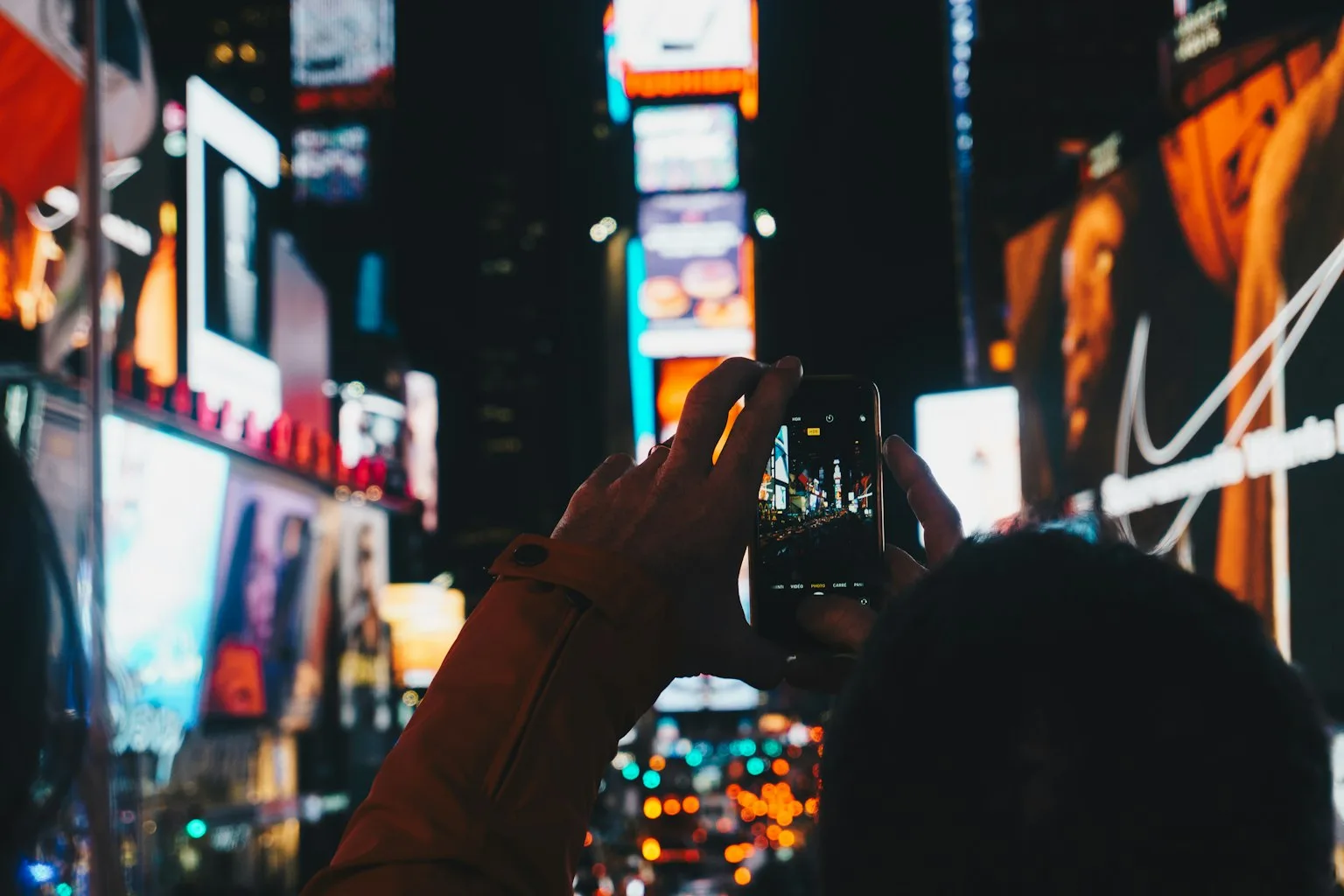
Plenty of people film in Doha: tourists at Souq Waqif, residents at the Corniche, parents at school events. Social media makes it easy to post a clip with strangers in it. This guide explains what the law says, using the Arabic text on Al Meezan, Qatar's legal portal, which we read and translated ourselves in October 2026. It is general information, not legal advice.
The new rule: Article 8 bis
Law No. 11 of 2025 amended the Cybercrime Prevention Law (Law No. 14 of 2014). It was published in the Official Gazette (issue 20) on 4 August 2025 and added Article 8 bis. In our translation, it punishes with imprisonment of up to one year and/or a fine of up to QR 100,000 anyone who violates individuals' privacy while they are in public places, by publishing or circulating photos or video clips of them without their knowledge or consent, or in cases not permitted by law, through the information network or any information technology means.
Three details matter.
- **It is about publishing and circulating.** The text we read speaks of posting and sharing. It does not say that taking a photo is lawful, and it does not say it is an offence under this article. It simply does not address it.
- **It covers sharing, not only posting.** Forwarding a clip in a WhatsApp group is "circulating".
- **Consent or legal permission.** The offence applies when the person did not know or agree, or when the posting is not one of the cases the law permits. The article does not list those cases.
The older rule: Article 8
Article 8 of the 2014 law was already in force. It punishes with up to three years and/or a fine of up to QR 100,000 anyone who attacks social principles or values, or publishes news, photos, or audio or video recordings related to the sanctity of people's private or family life, even if true, or who insults or defames others, through the internet or any information technology means.
The words "even if true" are in the Arabic text. Being accurate is not a defence for posting someone's private life. Article 8 sits next to Article 8 bis, so a post can raise both questions: was the person in a public place, and does the post expose private or family life?
What this means in daily life
These are our practical suggestions based on the wording, not rules from the law.
- **Ask first** if a person is clearly the subject of your photo or video, and do not post if they say no.
- **Avoid posting strangers' faces.** Wide shots of a crowd are very different from a clip that focuses on one person.
- **Be especially careful with families, women and children.** The article talks about private and family life.
- **Do not forward** clips of accidents, arguments or people in distress. Sending them on can count as circulating.
- **Be careful with group chats.** A private chat is still the information network.
- **Check the place.** Government buildings, security sites and some venues have their own photo rules. We did not research those, so ask on site.
If someone posts a video of you
1. Save the link, screenshots and date, and the name of the account.
2. Ask the person to remove it, in writing.
3. Use the platform's report tools for privacy violations.
4. If they refuse, you can consider a complaint. Our guide to how to file a police report in Qatar covers the Metrash route. Cybercrime-specific reporting steps are not covered there.
5. A Qatar-licensed lawyer can tell you whether Article 8 bis, Article 8 or another law fits your case.
Tourists and visitors
The law applies to everyone in Qatar, and to posting from Qatar. If you are visiting, keep your sightseeing photos of buildings, skylines and scenery, and think twice before posting clips with identifiable local people. See our guide to dining etiquette in Qatar for other local customs.
What we could not verify
- The list of cases in which posting is "permitted by law".
- Whether taking a photo, without posting it, can be an offence under another law.
- How prosecutors and courts have applied Article 8 bis since it took effect, and whether any cases have been reported.
- Photo rules for government buildings, military areas, airports and private venues.
- The official English wording of Article 8 bis, since the portal showed the Arabic text.
Frequently asked questions
Is it illegal to post photos of people in Qatar?
Article 8 bis of the cybercrime law punishes posting or circulating photos or videos of people in public places without their knowledge or consent, or in cases the law does not permit. The penalty is up to one year and/or up to QR 100,000.
Is taking a photo of someone in public a crime?
The article we read is about publishing and circulating. It does not say that taking a photo alone is an offence under it, and it does not say it is allowed. Other laws may apply, so ask on site and get consent.
Does it matter if the video is true?
Article 8 covers posting material about private or family life even if it is true, so accuracy is not a defence there.
Is forwarding a video in WhatsApp also covered?
Article 8 bis uses the word circulating and covers the information network or any information technology means, which reads broadly enough to include messaging apps. A lawyer can advise on a specific case.
When did this law start?
Law No. 11 of 2025 was published in the Official Gazette on 4 August 2025.
Sources & references

Agha Ali Abbas
Founder & Editor
More on Guides
Explore everything you need to know about qatar guides.
Related articles

Your First Week in Qatar: The Complete Checklist
Exactly what to do in your first seven days in Qatar, from your Qatar ID and SIM card to the real problems new arrivals run into and how to fix them.
Qatar ID (QID): Renewal, Replacement, and Everything Else to Know
When to renew your Qatar ID, what it costs to replace a lost one, and what actually happens if you let it expire.

How to Get a Driving License in Qatar: New or Exchanged
Whether your home country license qualifies for a direct exchange or you need to sit a Qatari driving test, here's the actual process, documents, and cost.