
Expat Inheritance in Qatar: Frozen Accounts and Heir Certificates
What happens to a non-Qatari's property and bank accounts after death in Qatar, why the Family Court needs an heir's certificate, and what a will can and cannot do.

After a death, the family often has two worries at once: the body and the money. Our guide to death and repatriation in Qatar covers the first. This page covers the second: what happens to the estate.
We relied on a 2012 Gulf Times legal article on the family law (Law No. 22 of 2006), the DohaGuides death guide, and a search summary of a commercial legal guide. The Gulf Times article is old and the authors used their own translation of Arabic laws. We found no official Ministry of Justice guide. This is general information, not legal advice. Talk to a Qatar-licensed lawyer about a real estate.
Which law applies to an expat's estate?
Gulf Times reports that Law No. 22 of 2006 says non-Muslims should be governed by their own laws, and that matters it does not cover fall under the Hanbali school unless the court decides otherwise. DohaGuides says inheritance is governed by the deceased's nationality law. The family and inheritance court is the Family (Sharia) Court. Without a will, Gulf Times says the law divides assets among heirs under Sharia.
In practice that is where it gets uncertain. The same article says Qatari courts may take jurisdiction over a non-Muslim's will in some cases, such as when assets are located in Qatar or the documents are incomplete.
Why bank accounts and property are frozen
DohaGuides says bank accounts are frozen after a death. Heirs need authorization from the bank's legal department, supported by the death certificate, a heirs' status certificate and any power of attorney. Banks settle outstanding loans first. Gulf Times says a non-Muslim's assets in Qatar may be frozen until the heirs give the Family Court a certificate proving their entitlement.
If you are worried about a frozen account for another reason, see what to do when a Qatar bank account is frozen.
What is an heir's certificate?
It is the court document that names who is entitled to the estate. Gulf Times says its form depends on the deceased's nationality. For example, for a British deceased with a will it could be a letter of probate. Heirs should expect to need the death certificate, proof of relationship and the will, if there is one.
Foreign documents: legalize and translate
Gulf Times says documents must be notarized, legalized and authenticated, then translated into Arabic in Qatar and authenticated by the Qatari Ministry of Foreign Affairs before submission. DohaGuides says foreign documents must be legalized by the origin country's foreign ministry and attested by the Qatari embassy, and that powers of attorney follow the same rule. See our guides to document attestation and power of attorney.
Final pay and end of service
DohaGuides says the employer must deposit the worker's wages, entitlements and end-of-service gratuity with the court's treasury within 15 days of death (Article 55 of Law No. 14 of 2004). That money goes to the heirs through the court, not to a relative who asks the employer. See end of service gratuity for how it is calculated.
Should expats make a will?
Gulf Times says the law treats a will as valid whatever the religion of the person making it or the beneficiaries. It lists the form, the maker, the beneficiaries and the property as parts of a will. A commercial guide in our search says non-Muslims should register a will in Qatar and name their national law. That is one unverified source, so do not rely on it without a lawyer. Do not assume that a will written at home covers assets in Qatar.
What we could not verify
- Current court procedure, fees and timing for an heir's certificate.
- Whether registering a will in Qatar is available or required for non-Muslims.
- How the court treats the estates of long-term residents with Qatari property.
Frequently asked questions
What happens to an expat's bank account when they die in Qatar?
DohaGuides says it is frozen. Heirs need bank legal department approval with the death certificate, a heirs' status certificate and any power of attorney. Banks settle loans first.
Does Sharia inheritance law apply to non-Muslims in Qatar?
Gulf Times reports that the family law says non-Muslims should be governed by their own laws, but Qatari courts may take jurisdiction in some cases. Ask a lawyer about your situation.
Who receives an employee's end of service pay after death?
DohaGuides says the employer must deposit it with the court's treasury within 15 days of death, and the heirs receive it through the court.
Sources & references

Agha Ali Abbas
Founder & Editor
More on Living
Explore everything you need to know about living in qatar.
Related articles

Cost of Living in Qatar: What to Actually Expect
Real rent ranges by neighborhood, what a single person versus a family actually spends, and why the tax-free salary changes the math.
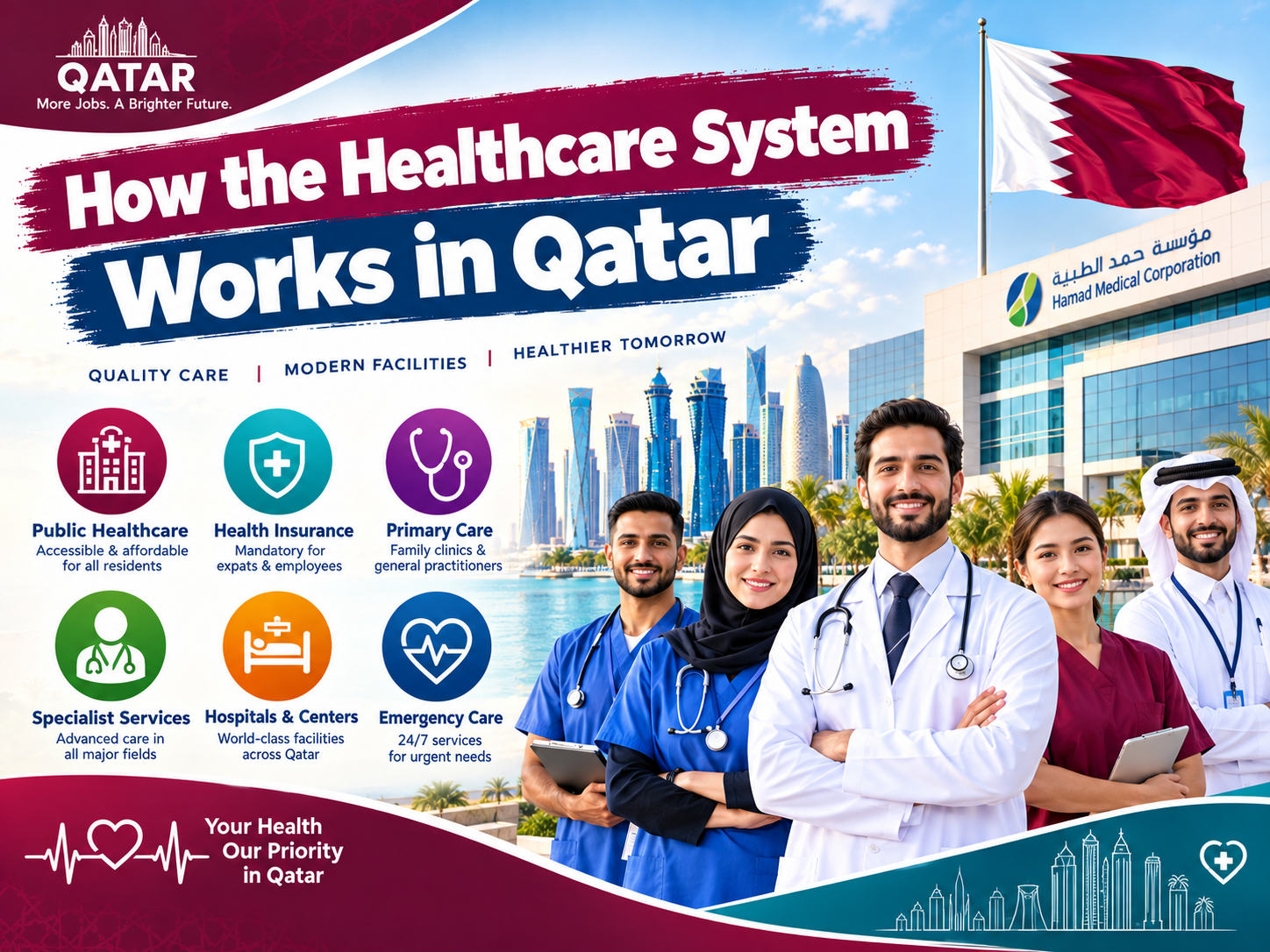
How the Healthcare System Works in Qatar
What the health card actually covers, when private care is worth it, and the insurance rule expats often miss before arrival.
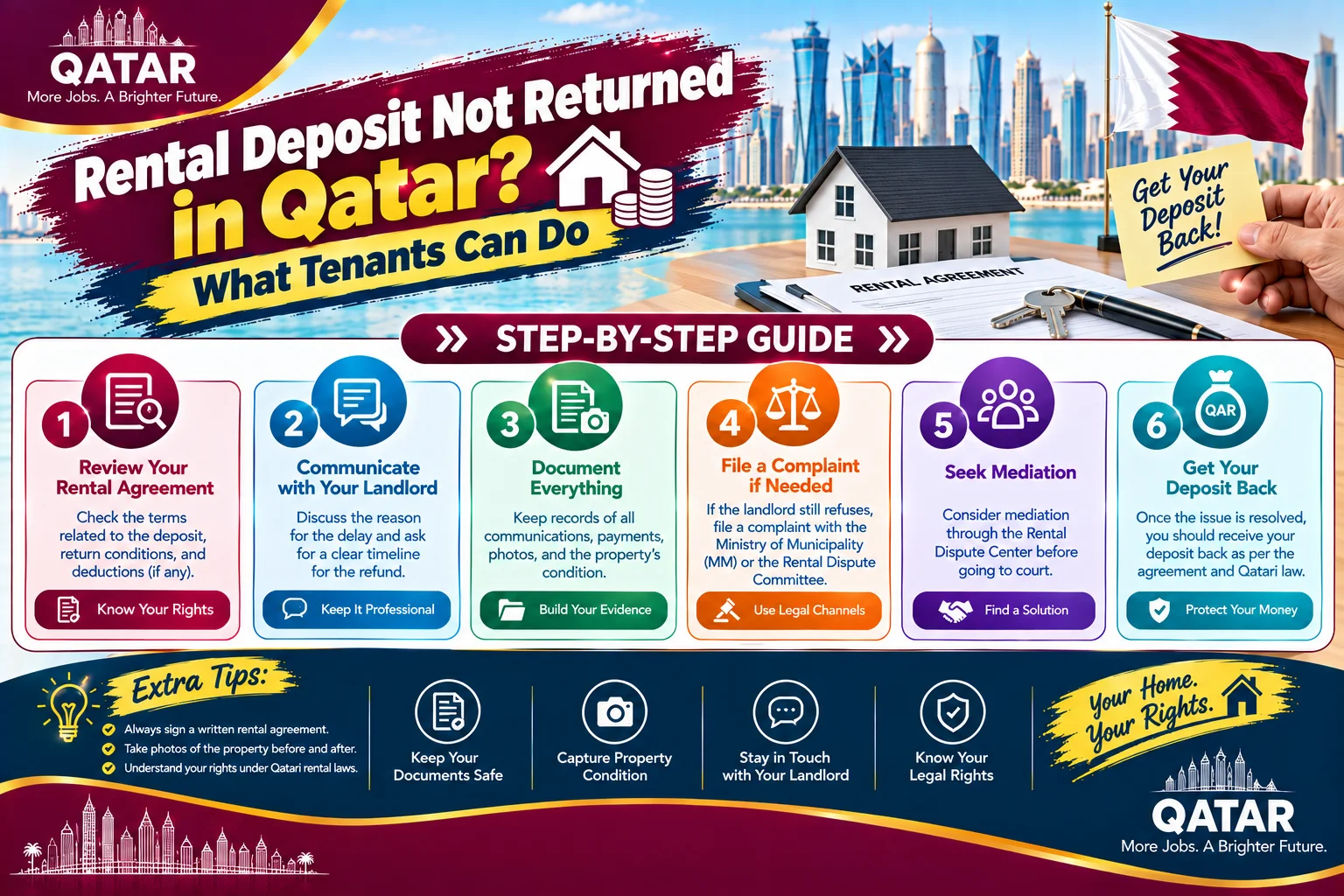
Rental Deposit Not Returned in Qatar? What Tenants Can Do
Landlord keeping your security deposit? Here is what the law generally allows, what changed on 3 September 2026, and the steps that get your money back.