
Fake News, Insults and Threats Online in Qatar: What the Cybercrime Law Says
Sharing a rumour, insulting someone in a group chat or threatening someone online can be a crime in Qatar. The penalties in Articles 6, 8, 9 and 11 of the cybercrime law, in plain language.
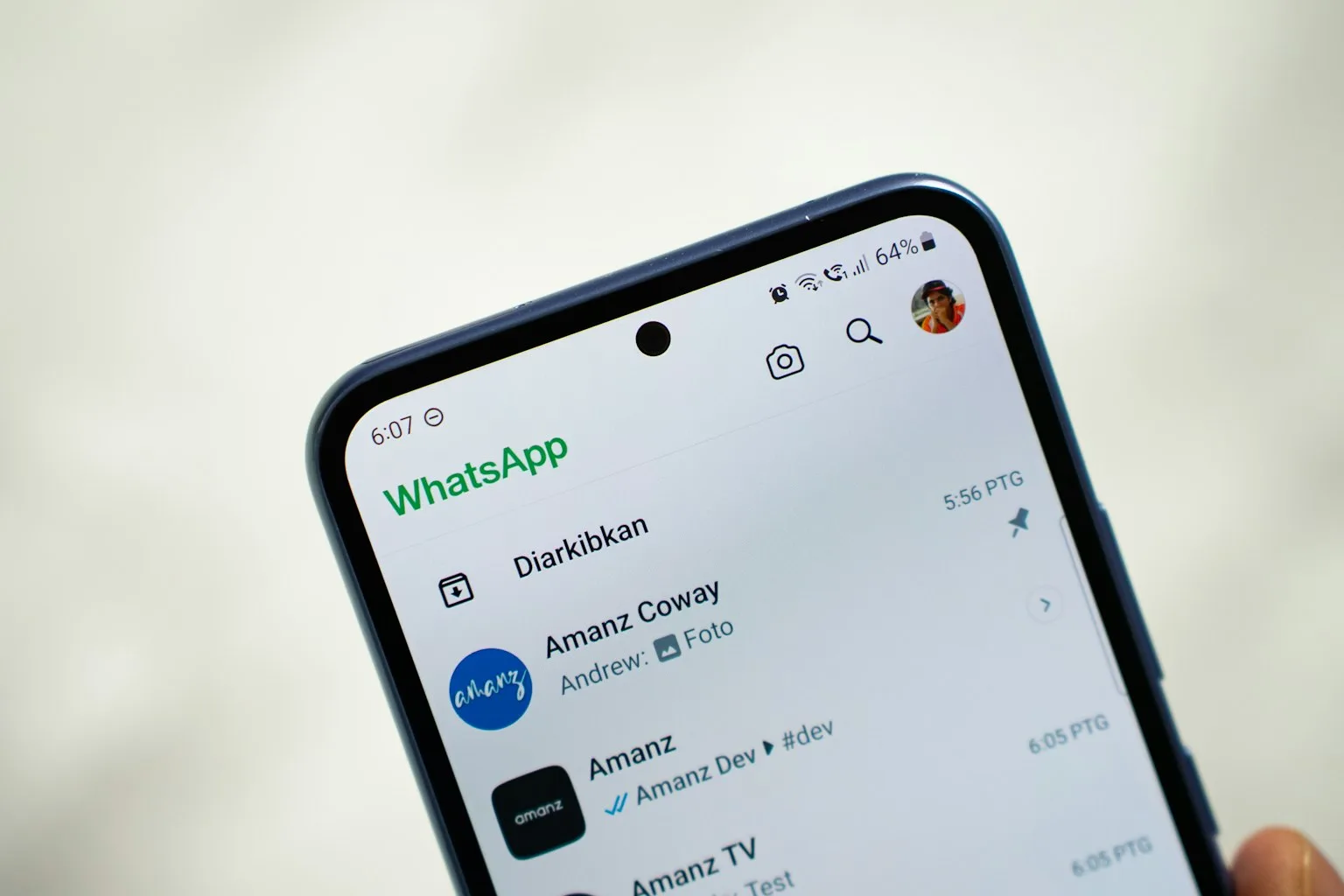
Many residents think of WhatsApp groups and social posts as private or informal. Qatar's cybercrime law treats the internet and any information technology means as covered. This guide sets out four offences that ordinary users are most likely to meet. We read the Arabic text on Al Meezan, Qatar's legal portal, in October 2026 and translated it. It is general information, not legal advice.
Spreading false news (Article 6)
Article 6 has two levels.
- **Running a website to publish false news** with the intent of endangering the safety, public order or internal or external security of the state: up to three years in prison and/or a fine of up to QR 500,000.
- **Promoting, broadcasting or publishing such false news by any means with the same intent:** up to one year in prison and/or a fine of up to QR 250,000.
The intent to endanger the state is part of the offence as the text is written. A mistaken post about a restaurant is not the same thing, but forwarding unverified news about security, government or public order is where the risk lies. Do not share what you cannot confirm from an official source.
Insults, defamation and private life (Article 8)
Article 8 punishes, with up to three years and/or a fine of up to QR 100,000, anyone who attacks social principles or values, publishes news, photos, or audio or video recordings connected to the sanctity of private or family life, even if true, or who insults or defames others, through the internet or any information technology means.
- **Insult and defamation** are named separately, so a rude message in a chat or a public reply can be enough.
- **Private or family life** content is covered even when it is accurate. See our guide to posting photos and videos of people in Qatar.
Threats and blackmail (Article 9)
Article 9 punishes, with up to three years and/or up to QR 100,000, anyone who uses the internet or an information technology means to threaten or blackmail a person to force them to do something or not do something. A message saying "do this or I will post that" is the clearest example.
Impersonation and online fraud (Article 11)
Article 11 sets up to three years and/or up to QR 100,000 for using the internet to impersonate a natural or legal person, or for getting hold of money, a bond or a signature on a bond by fraud, by using a false name or by claiming a false capacity. Fake accounts using another person's name and online scams both fall in this area.
Other points from the same law
- Article 7 treats material involving a child as a separate, heavier offence, with up to five years.
- Article 12 covers misuse of electronic payment card data, with up to three years and/or up to QR 200,000.
- The law also covers unauthorized access to systems, and we did not read those parts for this guide.
Practical advice
These points are our suggestions, not text from the law.
1. Do not forward news about security, government or public order unless an official source confirms it.
2. Disagree without insults. Complaints about a company or person should stick to facts you can prove.
3. Never threaten to post someone's information to get something from them.
4. Do not send private photos or messages of other people to groups.
5. If you are the target, take screenshots with dates and the account name, then report to the platform and consider a police complaint. Our guide to how to file a police report in Qatar covers the Metrash route.
6. Speak to a Qatar-licensed lawyer before replying to a legal notice or summons.
What we could not verify
- Whether a later amendment other than Law No. 11 of 2025 changed Articles 6 to 11. Al Meezan lists the law as in force.
- How often prosecutors use these articles for private chats or reviews, and how courts treat them.
- A dedicated cybercrime reporting channel and its contact details. We did not find one on an official page.
- The official English wording, because we worked from the Arabic text.
Frequently asked questions
Can I be prosecuted in Qatar for sharing a rumour on WhatsApp?
Article 6 covers promoting or publishing false news by any means with the intent of endangering the state's safety, public order or security. The penalty is up to one year and/or up to QR 250,000.
Is insulting someone online a crime in Qatar?
Yes. Article 8 punishes insult and defamation through the internet or information technology means with up to three years and/or up to QR 100,000.
What is the penalty for online blackmail in Qatar?
Article 9 sets up to three years in prison and/or up to QR 100,000 for using the internet to threaten or blackmail a person to make them act or not act.
Does it matter if what I posted is true?
For private or family life material, Article 8 applies even if the material is true.
Where do I report online harassment in Qatar?
We did not find a dedicated cybercrime page on an official site. Our guide to filing a police report covers the Ministry of Interior complaint route through Metrash.
Sources & references

Agha Ali Abbas
Founder & Editor
More on Guides
Explore everything you need to know about qatar guides.
Related articles

Your First Week in Qatar: The Complete Checklist
Exactly what to do in your first seven days in Qatar, from your Qatar ID and SIM card to the real problems new arrivals run into and how to fix them.
Qatar ID (QID): Renewal, Replacement, and Everything Else to Know
When to renew your Qatar ID, what it costs to replace a lost one, and what actually happens if you let it expire.

How to Get a Driving License in Qatar: New or Exchanged
Whether your home country license qualifies for a direct exchange or you need to sit a Qatari driving test, here's the actual process, documents, and cost.