
Qatar's Chicken and Vegetable Import Tariffs 2026: 18% on Chicken and a Seasonal 15%
Amiri Decree No. 45 of 2026 raises customs tariffs on fresh chicken to 18% and sets a 15% seasonal rate on tomatoes, eggplant and zucchini. Which products, which months, when it starts and what is not known about prices.
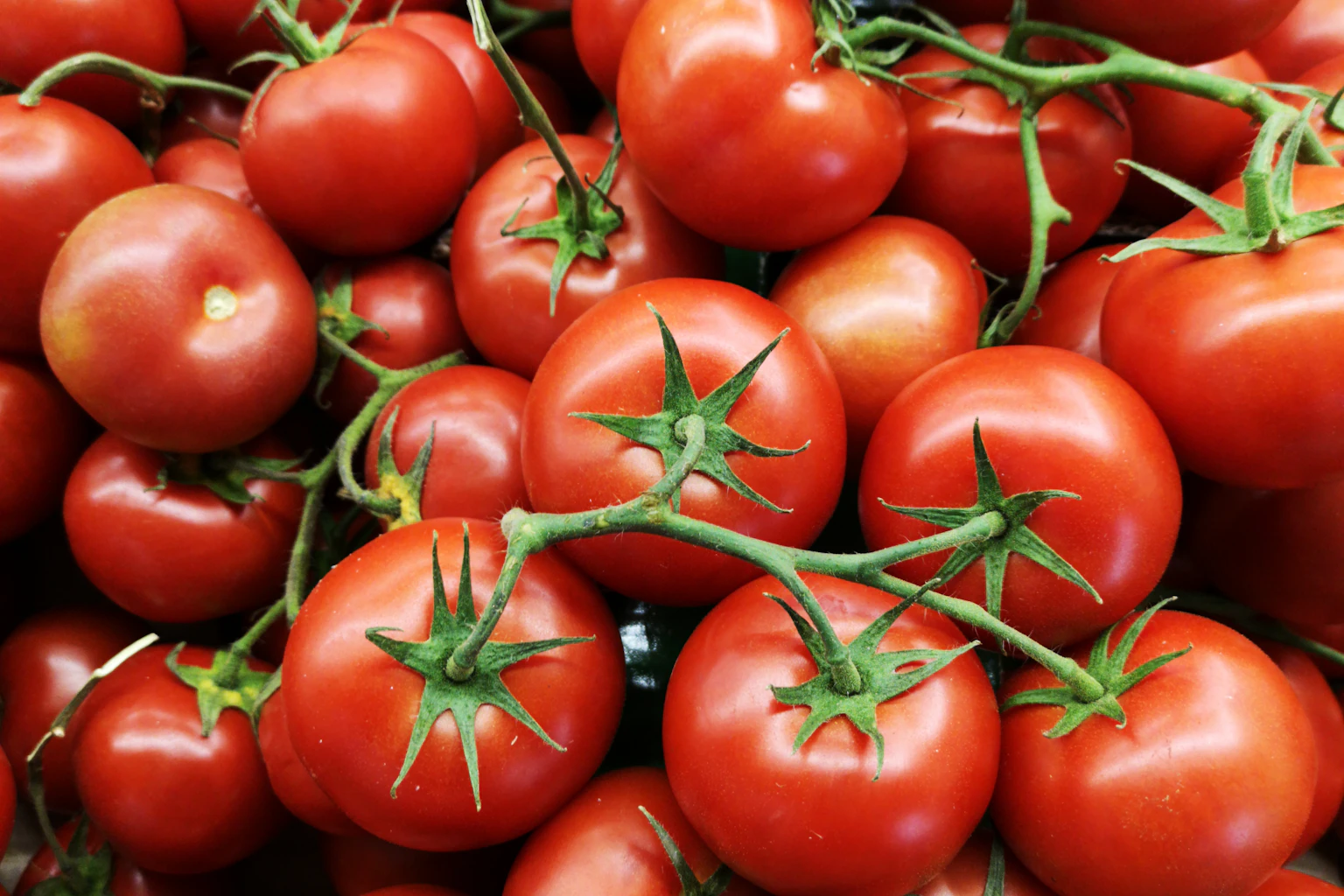
Chicken and vegetables are everyday items in Qatari households, so a tariff change gets attention, and the early coverage is confusing: some posts say prices will jump, others say nothing changes. This guide sets out what the decree says, which products it covers and what the reports do not tell us. We used Qatar Living (17 September 2026), EY's tax alert (28 September 2026) and Global Trade Alert. We could not read the decree text, so confirm details if you import goods for a business. It is general information, not tax advice.
What does the decree change?
Decree No. 45 of 2026 was issued by the Amir on 16 September 2026 and amends Qatar's integrated customs tariff. It takes effect 60 days after publication in the Official Gazette (Article 3). The Gazette date is given as 16 September by EY and Global Trade Alert, which puts the start at about 15 November 2026. Qatar Living says the effective date is not stated, so treat mid-November as reported.
Chicken: 18%
| Product | HS code |
|---|---|
| Whole fresh or chilled chicken | 020711000000 |
| Chilled chicken breasts | 020713000008 |
| Chilled chicken thighs | 020713000009 |
| Chilled chicken wings | 020713000010 |
Qatar Living stresses that the rate is raised to 18%, not by 18%. EY says the tariff rises from 5% to 18% on specified products, but Qatar Living says its text does not state the previous rate, so we treat the old rate as reported by EY only. Frozen chicken is not on the list in the reports we read, so we cannot say it is affected.
Vegetables: 15% in peak local season
| Product | Months at 15% |
|---|---|
| Fresh or chilled tomatoes | January to May |
| Eggplant | January to April, November to December |
| Zucchini | January to April, October to December |
The 15% rate applies only in those months, which match the main local growing season. Outside them the decree's seasonal rate does not apply. EY reports that these products were at 0% before. Qatar Living says the standard rate is not stated in its text. The aim, as reported, is to protect local production in the months when local farms supply the market.
Will prices go up?
None of the sources we found gives a price forecast, import volumes or local production numbers. A tariff is paid by the importer, and what reaches the shelf depends on how much importers pass on, on supply from local farms and on other costs. If you buy chicken or tomatoes weekly, track the prices of your usual brands over the next months, starting before mid-November. Our supermarket guide and the cost of living in Qatar can help you compare.
Who is affected?
- **Importers and distributors** of the listed products, who pay the tariff.
- **Supermarkets and restaurants** that buy imported fresh chicken or off-season produce.
- **Households**, indirectly, through shelf prices.
- **Local producers**, who gain from the protection in the listed months.
How is this different from the excise changes?
Customs tariffs are charged when goods enter the country. Excise tax is a separate tax on certain goods, including the new tax on sweetened drinks. Both changed in 2026. See Qatar's sweetened drinks tax for the excise side. If you bring goods into the country yourself, read what you cannot bring into Qatar and the duty free allowance.
What we could not verify
- The decree text and its exact publication and start dates.
- The previous tariff rates, which differ between reports.
- Any change in shelf prices.
Part of our guide to banking and money in qatar
Start with the full guide: Banking and Money in Qatar: Accounts, Cards, Loans and Transfers Guide
More on: costs, tax and estates
- Qatar's Sweetened Drinks Tax 2026: What Is Taxed, What Is Not and What to Expect
- Is Crypto Legal in Qatar? The QCB Circular, the QFC Framework and What It Means for Residents
- Cost of Living in Qatar: What to Actually Expect
- Income Tax in Qatar: What Expats Actually Pay
- Power of Attorney in Qatar: Fees, Validity and Using One From Abroad
- Expat Inheritance in Qatar: Frozen Accounts and Heir Certificates
Frequently asked questions
What is the new chicken tariff in Qatar?
Decree No. 45 of 2026 sets 18% on whole fresh or chilled chicken and on chilled breasts, thighs and wings. EY reports the old rate was 5%.
Which vegetables have a 15% tariff in Qatar?
Fresh or chilled tomatoes from January to May, eggplant from January to April and November to December, and zucchini from January to April and October to December.
When does the new tariff start?
60 days after publication in the Official Gazette. Global Trade Alert lists 15 November 2026.
Sources & references
- Qatar Living, "Qatar raises customs tariffs to 18% on selected chicken products and 15% on certain vegetables" (17 September 2026)
- EY, "Qatar updates excise tax framework and increases customs tariffs on selected products" (28 September 2026)
- Global Trade Alert, Qatar import tariff increases on chicken and certain agricultural products
- FreshPlaza, "Qatar introduces seasonal 15% tariffs on imported vegetables"

Agha Ali Abbas
Founder & Editor
More on News
Explore everything you need to know about qatar news.
Related articles

Doha Metro Network Continues to Expand Coverage
The new Blue Line and roughly 60 additional stations are set to reshape how residents get around the city.

Qatar Tourism 2026: August Arrivals Rebound, but the Year Is Still Down 30%
Qatar recorded 2.338 million visitors from January to August 2026. August rose 6.3 percent on July, but the eight-month total is roughly 30 percent below the same period of 2025.

International School Enrollment Demand Remains High
Top Doha schools carry waitlists of six months or more, and the entry points that move fastest are narrower than most families expect.